
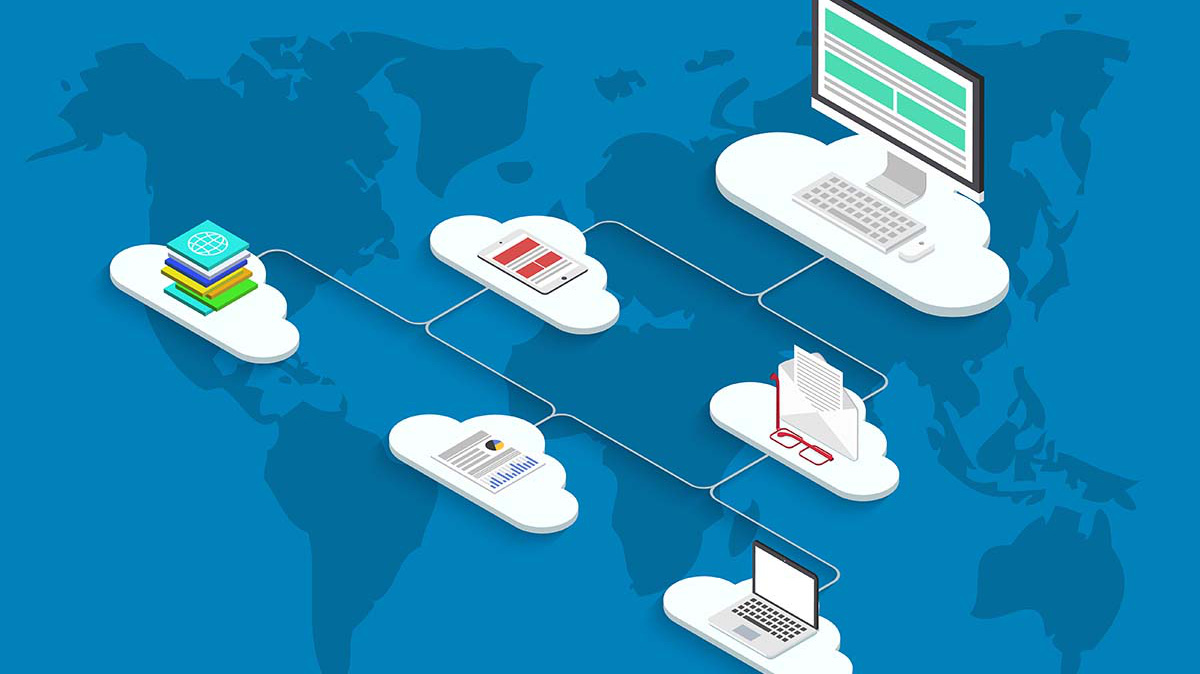
Backup: From Option to Mandatory
In the digital age, data is likened to the new "oil". Data loss not only disrupts work but also leads to huge financial losses, brand reputation damage, and even legal troubles. Data Backup and Disaster Recovery are no longer an option but have become mandatory to ensure Business Continuity.
The Golden 3-2-1 Rule in Backup
An effective backup strategy never relies on luck. Global security experts always recommend applying the 3-2-1 rule:
- 3 Copies of Data: You need to keep at least 3 copies of data (1 primary working copy and 2 backup copies).
- 2 Different Media Types: Do not store all copies on the same type of hard drive. Diversify by combining external drives (HDD/SSD), Tape, or NAS. This helps avoid simultaneous device failure risks.
- 1 Offsite Copy: At least one copy must be stored in a different physical location (e.g., Cloud Storage or a branch office). This protects data from local disasters like fire, flood, or office theft.
Recovery: The Often Forgotten Piece
Many organizations invest heavily in automated backup systems but neglect the most important step: Recovery Testing. A backup file is meaningless if it is corrupted and cannot be restored when needed.
The recovery process needs to answer two key metrics:
- RPO (Recovery Point Objective): The point in time data is restored to (e.g., data from 1 hour ago or 1 day ago?). This metric determines the acceptable amount of data loss.
- RTO (Recovery Time Objective): The maximum time for the system to return to normal operation after an incident.
Automation and Authorization
For individual users, leverage cloud services like Google Drive, OneDrive, or iCloud to automate photo and document backup. Don't rely on memory to do this manually.
In an enterprise environment, a clear Backup Policy is needed, delegating access to backups (to avoid Hackers attacking the backup system itself to delete data) and performing quarterly recovery drills. Only with the ability to restore quickly and accurately can businesses truly master their information security.
Thank you for reading this article. Feel free to share it if you found it useful!