The Data Era and Security Challenges
In the modern digital environment, data is not merely stored files but has become the lifeblood of all activities, from business and operations to personal life. The volume of data generated daily is enormous (Big Data), including identity information, intellectual property, financial records, and user behavioral data.
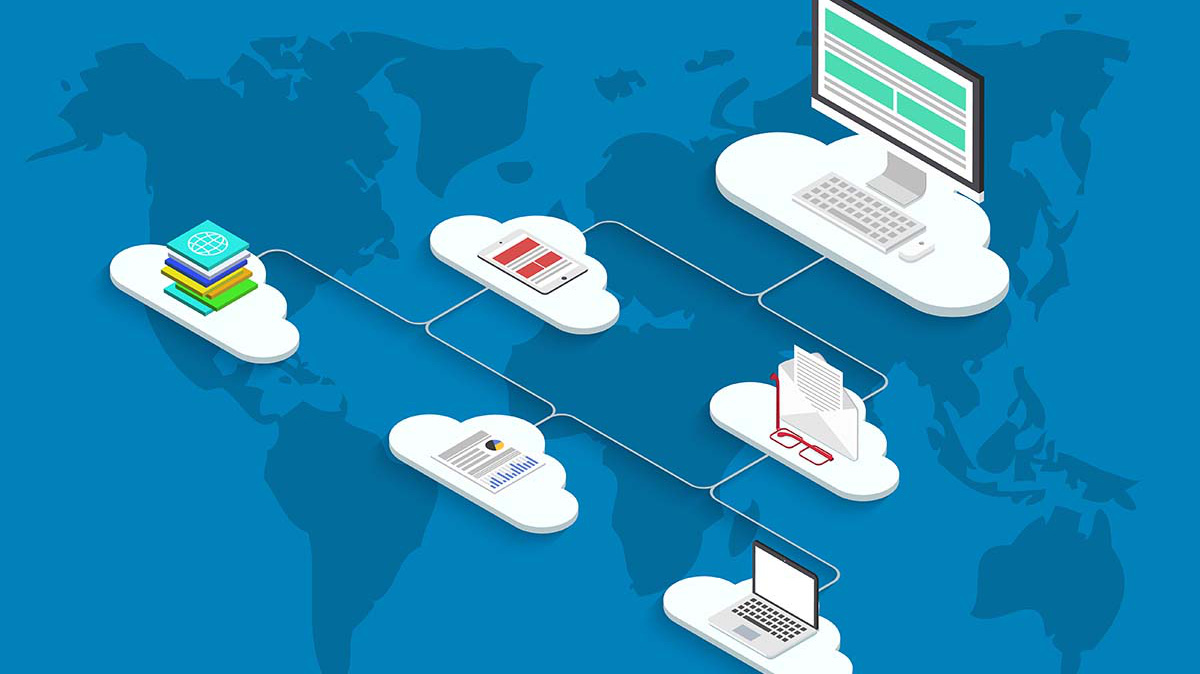
However, this explosion comes with unprecedented challenges. Data no longer sits quietly in local servers (On-premise) but is widely dispersed: from Cloud Computing services and personal mobile devices (BYOD) to IoT devices. This fragmentation creates countless "blind spots" where, without a centralized management strategy, the risk of data leakage and theft is inevitable.
Data Classification and Control Strategy
To protect data, the first and most important step is Data Classification. Not all data has the same value. An effective management strategy needs to divide data into levels:
- Public Data: Information that can be shared widely without harm.
- Internal Data: Circulated only within the organization; leakage may cause minor disadvantages.
- Confidential/Sensitive Data: Includes customer information, trade secrets. Highest level of protection.
After classification, applying Access Control mechanisms is mandatory. The Zero Trust model (Trust no one, verify everything) is becoming the gold standard. This means access rights are granted only at the minimum necessary level (Principle of Least Privilege) and must be continuously authenticated through multi-factor authentication (MFA).
Encryption: The Final Line of Defense
Even if firewalls are breached, data can still be safe if properly encrypted. Businesses and individual users need to apply encryption in two states:
- Data at Rest: Use BitLocker, FileVault, or specialized hard drive encryption solutions to ensure physical thieves cannot read the content.
- Data in Transit: Ensure all data flowing over the internet uses secure protocols (HTTPS, TLS/SSL, VPN) to defend against eavesdropping attacks (Man-in-the-Middle).
The Human Factor in Digital Security
Finally, technology is just a supporting tool. Humans remain the weakest link in the security chain. Social Engineering attacks or Phishing are becoming increasingly sophisticated, targeting user negligence. Therefore, data management is not just a technical issue but also about building a security culture. A clear process, combined with regular awareness training, will help improve the "digital immune system" for both individuals and organizations sustainably.
Thank you for reading this article. Feel free to share it if you found it useful!