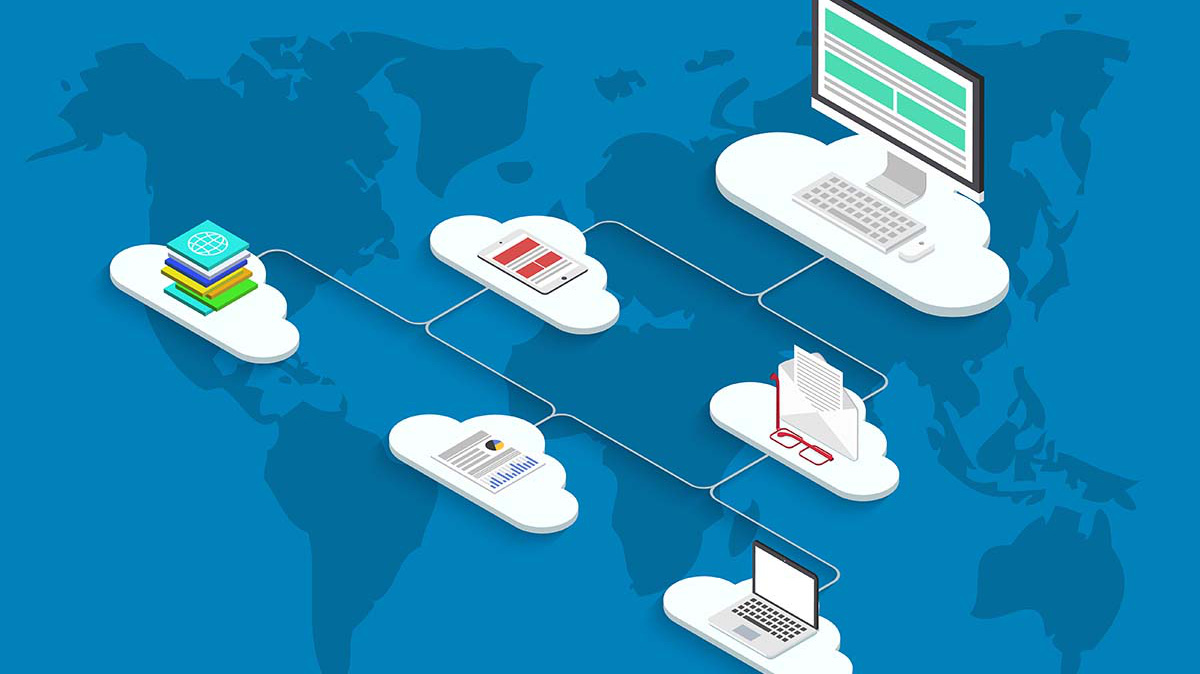
Convenience and the Trap of Local Storage
Laptops and smartphones are becoming "mobile offices" containing large amounts of critical data. The habit of storing everything on computer hard drives or phone memory brings convenience in access speed, but it also turns personal devices into a fatal weakness (Single Point of Failure) in information security.
Physical Risks: When Hardware Betrays
Unlike strictly protected Data Centers, personal devices face numerous physical risks:
- Hardware Failure: SSD/HDD drives have a limited lifespan. A power surge, impact, or simply a manufacturing defect can cause data to "evaporate" permanently without warning.
- Loss and Theft: Laptops and phones are top targets for street criminals. When a device is stolen, the hardware value loss is often much smaller than the value of the data inside (customer data, project source code, bank account info).
- Environmental Accidents: Spilling coffee on a keyboard or dropping a device in water can mean the end for unbacked-up data.
Cybersecurity Risks at the Endpoint
Personal devices often lack high-level protection layers compared to server systems. This is an ideal environment for:
- Ransomware: Just one click on a strange email, and all data on the machine can be encrypted, with attackers demanding ransom to unlock it.
- Spyware: Silently collects keystrokes (Keylogger), takes screenshots, and sends sensitive data out without the user knowing.
- Unsecure Connections: Using public Wi-Fi at coffee shops or airports to access critical data on devices is the shortest path for hackers to infiltrate the system.
Risk Mitigation Solutions
To protect data on personal devices, users need to shift their mindset from "local storage" to a "local processing, cloud storage" model. Urgent measures include:
- Full Disk Encryption: Enable BitLocker (Windows) or FileVault (macOS) to ensure that if the machine is lost, thieves cannot extract data.
- Continuous Patching: Outdated operating systems and software are the biggest holes. Always turn on automatic updates.
- Use Endpoint Security Software: Install reputable antivirus and firewall software capable of detecting real-time anomalous behavior.
In summary, do not treat personal devices as safe vaults. Treat them only as temporary processing tools, and always have a backup plan for the worst-case scenario.
Thank you for reading this article. Feel free to share it if you found it useful!